Why did Alcatraz close in 1963? Not because of the famous escape that gets all the attention. The Bureau of Prisons shut the federal penitentiary down because it had quietly become one of the most expensive prisons in the country to operate, a 29 year old island fortress slowly being eaten by salt air and seawater. Here’s what I’d actually tell you if you only know the Hollywood version: the breakout happened in June 1962, and the decision to close Alcatraz was already moving through the Bureau of Prisons well before that night. I’d read the full Alcatraz history timeline first if you want this closure in its proper context, since it’s really just one chapter in a much longer story that started as a military fort more than a century earlier.
Why did Alcatraz actually close in 1963?
Alcatraz closed on March 21, 1963, because the cost of running an island penitentiary had grown too high to justify, not because of any single escape or incident. Every drop of fresh water, every load of coal, and every repair crew had to arrive by boat, and the buildings themselves were corroding faster than the government wanted to keep paying to fix.
I’d call this the single most misunderstood fact about Alcatraz’s entire history. The Bureau of Prisons under Director James V. Bennett had already flagged the island as unsustainable years before the 1962 escape made headlines, and closing it was less a dramatic decision than a slow building budget conclusion nobody could keep postponing.
Check prices & dates
Ready to visit?
Book your tickets in advance: popular time slots sell out.
No, not directly. Frank Morris and the Anglin brothers vanished from Alcatraz in June 1962, nine months before the prison actually closed, and the closure announcement cited operating costs and facility condition, not the escape itself.
I think this is where most casual retellings get the story backward, since a dramatic escape simply makes a better headline than a budget memo. If the 1962 escape genuinely sealed the island’s fate, I’d expect the prison to have closed within weeks, not the better part of a year later, after planning for the move to a new facility had already been worked out. If you want the full story of what actually happened that June night, the real account of the 1962 Alcatraz escape separates the documented facts from the decades of speculation that followed.
How much more expensive was Alcatraz to run than other prisons?
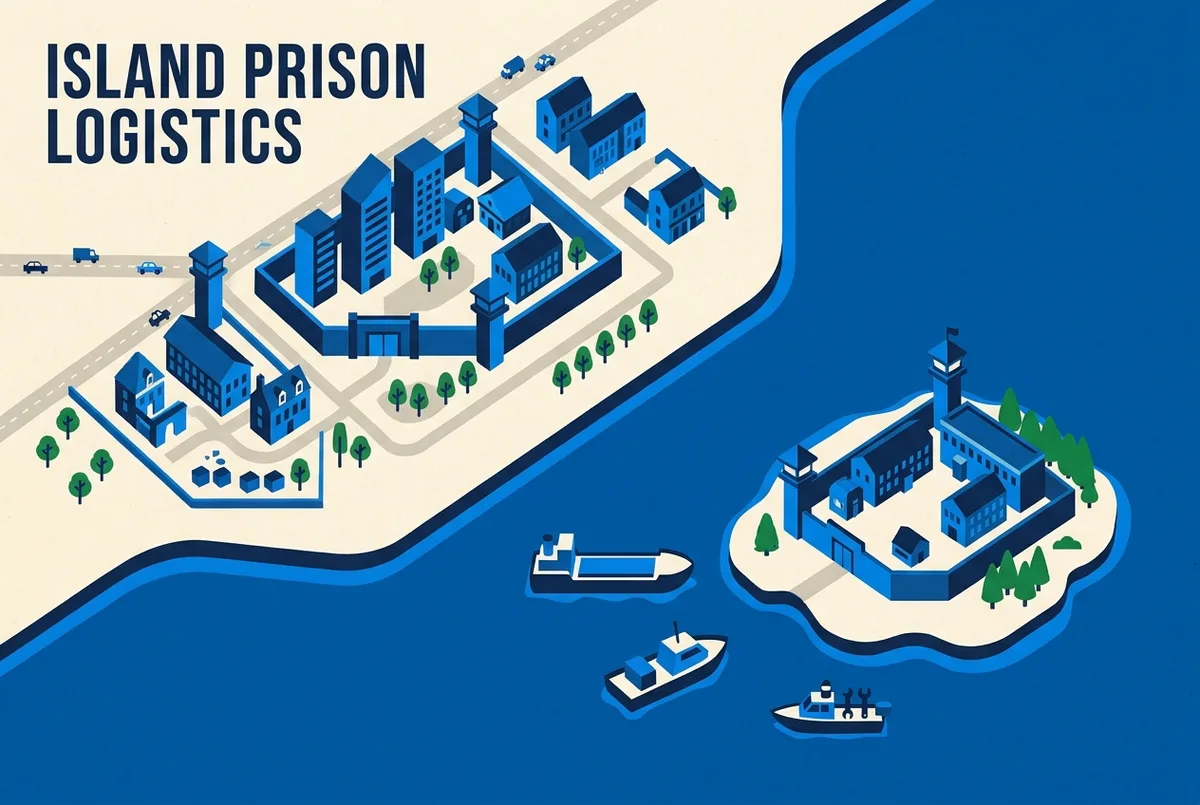
Alcatraz reportedly cost roughly three times more per inmate to operate than a typical mainland federal prison, largely because every supply, from food to fuel to fresh water, had to be shipped in across the bay rather than delivered by truck.
I’d say that figure alone explains more about the closure than any escape story ever could. A mainland prison doesn’t carry a shipping bill for its own drinking water, and Alcatraz did, every single day, for 29 straight years. Once the Bureau of Prisons started weighing that recurring cost against a newer, cheaper facility it could build instead, the math simply stopped favoring the island.
What physical damage was the island suffering by the early 1960s?
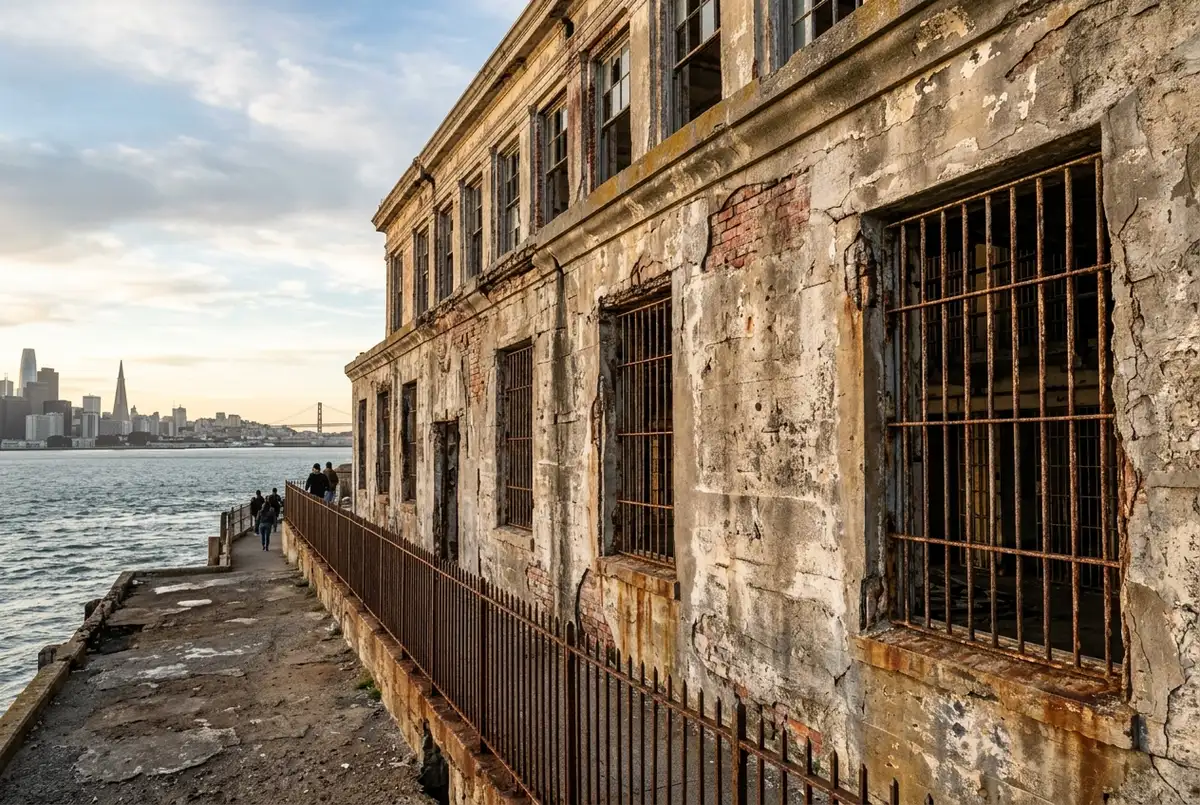
By the early 1960s, salt water and sea air had seriously corroded Alcatraz’s concrete and steel, undermining structural elements in the cellhouse and support buildings faster than routine maintenance could keep up with.
I find this detail genuinely more dramatic than the escape story once you actually picture it: an entire federal penitentiary slowly rusting and crumbling from the inside, not from neglect but simply from sitting in salt water for three decades. Engineers reportedly estimated that fully repairing the island’s infrastructure would cost more than building a brand new prison elsewhere, which is about as clear a signal as a bureaucracy ever gets.
Who made the final decision to close Alcatraz?
Attorney General Robert F. Kennedy approved the closure, acting on the Bureau of Prisons’ recommendation under Director James V. Bennett, who had pushed the cost and condition argument through the federal budget process.
I’d give Bennett more credit in this story than he usually gets. He wasn’t reacting to a single crisis, he was making the kind of unglamorous, numbers driven case that rarely gets dramatized in a movie but is exactly how a decision like this actually gets made inside a federal agency.
What happened to Alcatraz’s inmates when it closed?
The remaining inmates were transferred to other federal facilities, most notably the new United States Penitentiary in Marion, Illinois, which the Bureau of Prisons built specifically to take over Alcatraz’s role as the system’s top security facility.
I’d think of Marion less as a replacement building and more as proof of the actual decision logic here: the Bureau wasn’t giving up on high security confinement, it was just moving that mission somewhere that didn’t require a daily supply boat. The need for the function Alcatraz served never went away, only the island itself did.
The timeline that actually led to Alcatraz’s closure
Cost concerns had been raised internally for years before 1963, construction on a mainland replacement facility was already underway by the time of the 1962 escape, and the final closure order came roughly nine months after that escape, not as a direct response to it.
I’d walk through this timeline specifically because the order of events is the whole argument. If the sequence ran escape first, panic, then closure, the popular version would hold up. It doesn’t run that way. The budget case was built first, the replacement facility was already planned, and the escape simply happened to land in the middle of a decision that was already moving forward on its own.
Was Alcatraz ever considered for a different use before becoming a park?
Yes. After the prison closed in 1963, the island sat largely unused for several years, and various redevelopment proposals, including commercial and residential ideas, circulated before Indians of All Tribes occupied it in November 1969.
I wouldn’t spend too much time on the redevelopment proposals myself, since none of them ever got built and the occupation that followed is the far more consequential chapter of what happened next. The full Alcatraz history timeline covers that fuller story, including how the island eventually became the National Park Service site people visit today.
Does the closure story hold up against popular movies about Alcatraz?
Not really. Films built around Alcatraz tend to lean hard on the escape and danger angle because it’s simply a better story to put on screen than a federal budget decision, even though the budget decision is the one that’s actually documented.
I’d take most film portrayals of Alcatraz’s final years with a grain of salt for exactly this reason. Hollywood needs a climax, and a dramatic escape makes a far better one than a line item in a government report, even when the report is the version that’s actually true.
My actual take on why Alcatraz really closed
I’d tell anyone curious about this that the honest answer is less exciting than the legend, and that’s fine. Alcatraz closed because keeping a 29 year old island prison running had become too expensive to justify next to a mainland alternative, not because three inmates slipped past the guards one June night.
If the closure story has you more curious about the island’s full arc, from military fort to penitentiary to occupied protest site, Alcatraz history has a much longer arc than just its final year is worth reading before your visit. And if you’re now wondering what a trip to the closed prison actually looks like today, planning your Alcatraz visit is the practical next page I’d point you to, since the island you’d actually tour is the National Park Service site that came after everything this page covers.
Why did Alcatraz prison close in 1963?
The cost of running an island penitentiary, shipping in every supply and repairing salt corroded buildings, had grown too high to justify next to a cheaper mainland alternative.
Did the 1962 escape cause Alcatraz to close?
Not directly. The closure came about nine months after that escape, and the Bureau of Prisons had already been building the cost case before it happened.
Where did Alcatraz’s inmates go after it closed?
Most transferred to other federal prisons, including the new United States Penitentiary in Marion, Illinois, built specifically to take over Alcatraz’s high security role.
Who approved the decision to close Alcatraz?
Attorney General Robert F. Kennedy approved it, based on a cost and facility condition case built by Bureau of Prisons Director James V. Bennett.
What happened to Alcatraz after it closed?
The island sat largely unused for several years until Indians of All Tribes occupied it in 1969, a chapter that led directly to it becoming a National Park Service site.